
Teen cannabis use is under fresh scrutiny after a new report from the US Centers for Disease Control and Prevention (CDC) found the drug in 42.7 per cent of overdose deaths among 12 to 17 year olds. That is the highest share of any age group. However, detection alone does not prove causation, so the details matter.
The findings raise a practical question for parents, teachers and health workers. If a teenager is using cannabis, what else might be within reach?
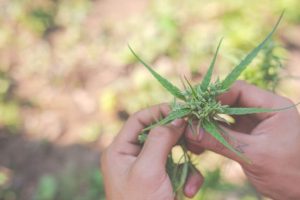 What the new CDC data says about teen cannabis use
On 3 September 2026, CDC investigators reported on 209,166 overdose deaths between January 2021 and June 2025. The data covered 31 states and the District of Columbia. Cannabis turned up in 43,880 of those deaths, or 21.0 per cent. Yet it was the only drug involved in just nine cases, which is 0.004 per cent of the total.
The adolescent numbers stand out even more. In the latest six months of data, from January to June 2025, cannabis appeared in 44.6 per cent of deaths among 12 to 17 year olds. In 2024 the figure was 35.9 per cent. Stimulants showed up in 69 per cent. Many of these deaths involved fentanyl and stimulants together, so cannabis may be a marker of wider experimentation, impaired judgement, or both.
General Barrye L. Price, president and chief executive of CADCA, sees a clear message. He said the report shows why community based prevention among young people deserves higher priority, because cannabis may be “a major clue to more extensive polydrug use” in teens.
Detection is not causation
Fentanyl remains the main driver of overdose deaths, and it can kill without any help from cannabis. Even so, that does not make THC, the intoxicating substance in cannabis, irrelevant. Whether THC from the plant worsens the breathing problems fentanyl causes is still unknown.
The science so far is mixed. In a trial of 18 healthy adults, inhaled THC did not worsen the breathing effects of oxycodone, although sedation rose slightly. However, oxycodone given to healthy adults in a laboratory is a long way from illicit fentanyl and cannabis in intoxicated teenagers. That study has not been done. Meanwhile, in rats, alcohol intensified the effect of fentanyl on breathing.
Why adolescent cannabis use is a warning sign
Earlier CDC research helps explain the concern. It found illegally made fentanyl in 83.9 per cent of overdose deaths among people aged 10 to 19. Yet only 35 per cent of those young people had a documented history of opioid use. Nearly a quarter showed evidence of counterfeit pill use.
Most were not shopping for fentanyl. Instead, they believed they were buying oxycodone, Xanax or another familiar looking pill, and they received a lethal dose. Under the influence of cannabis, it may be easier to say yes to a street pill that looks genuine but is not.
Longer term risks sit alongside these findings. Studies that follow young people over time link adolescent cannabis use with later depression, suicidal thoughts and suicide attempts. About half of 18 to 20 year olds who used cannabis in the previous year met the criteria for cannabis use disorder, and most cases were moderate or severe. Research also ties the condition to unintentional overdose death among young people with mood disorders.
Slow to spot, slow to save
Timing may be where cannabis matters most. The CDC reports that two thirds of adolescent overdose deaths had a potential bystander present, yet records show no response in most of those cases. Records also show naloxone use in only 30.3 per cent of all deaths.
To an untrained eye, an overdose can look like sleep. Teens may not know that slow, irregular or absent breathing is an emergency. A person under the influence may also decide a friend can simply sleep it off. That confusion can delay a dose of Narcan and a call to 911, and fentanyl leaves very little time for either.
Alcohol deserves equal attention. It is a central nervous system depressant, so it adds sedation and breathing suppression to opioids. Older national data found alcohol in about 15 per cent of opioid overdose deaths. The new report gave no adolescent alcohol figures, so future studies should look at alcohol and cannabis both together and separately. They should also record active delta 9 THC rather than long lasting inactive metabolites. Finally, they should capture what happened at the scene, including whether anyone recognised the overdose and whether anyone gave naloxone.
What families can do about teen cannabis use
Families do not need a perfect study before they start talking. Treat any pill sold on the street as oxycodone, alprazolam or another medication as counterfeit and potentially fatal. In fact, any pill that a doctor did not prescribe and a licensed pharmacy did not dispense may contain fentanyl.
Teen cannabis use, like tobacco or alcohol use, should open a conversation. Parents should not brush it aside in the hope it passes. Useful questions are simple. What are you using? What are your friends using? Where do the pills and vape cartridges come from? Cannabis use may signal a willingness to experiment and access to other drugs, so keeping naloxone available also makes sense.
The safest time for that talk is before the emergency.
Source: psychologytoday